Recently, the academic paper "Inquiry-based Classroom Research: A WISE Model Towards Deep Understanding" co-authored by Associate Researcher Zirou Lin, doctoral student Kexue Xu, and Executive Vice Dean Xiaoyong Hu was published in e-Education Research. This represents another important achievement for the Wenke project following "Wenke: Construction and Application of an AIED Human-Machine Collaborative Teaching Research Model for Promoting Wisdom Generation." The WISE classroom research framework proposed in this paper answers the fundamental question of "what to ask" in Wenke.

Figure 1: Paper "Inquiry-based Classroom Research: A WISE Model Towards Deep Understanding"
To address the deep contradiction between "data richness" and "understanding poverty" coexisting in classroom research in the intelligent era, this study builds upon the paradigm shift needs from judgment-based lesson evaluation to inquiry-based Wenke. Integrating systems theory, epistemology, and axiology, it constructs the WISE classroom research framework of "Framework—Interaction—Strategy—Effectiveness." This framework provides progressive classroom research dimensions and Wenke logic pathways by outlining classroom structure at the teaching structure layer, providing process evidence at the teaching behavior layer, analyzing teaching intentions at the teaching strategy layer, and assessing competency achievement at the teaching effectiveness layer. To ensure practical operation of the WISE framework, this study proposes four key mechanisms: flexible adaptation mechanism to accommodate classroom teaching uncertainties, evidence chain mechanism to ensure reliable reasoning from data to meaning, human-AI collaboration mechanism to optimize cognitive resource allocation, and value transformation mechanism to promote the conversion of classroom research findings into teachers' practical wisdom.
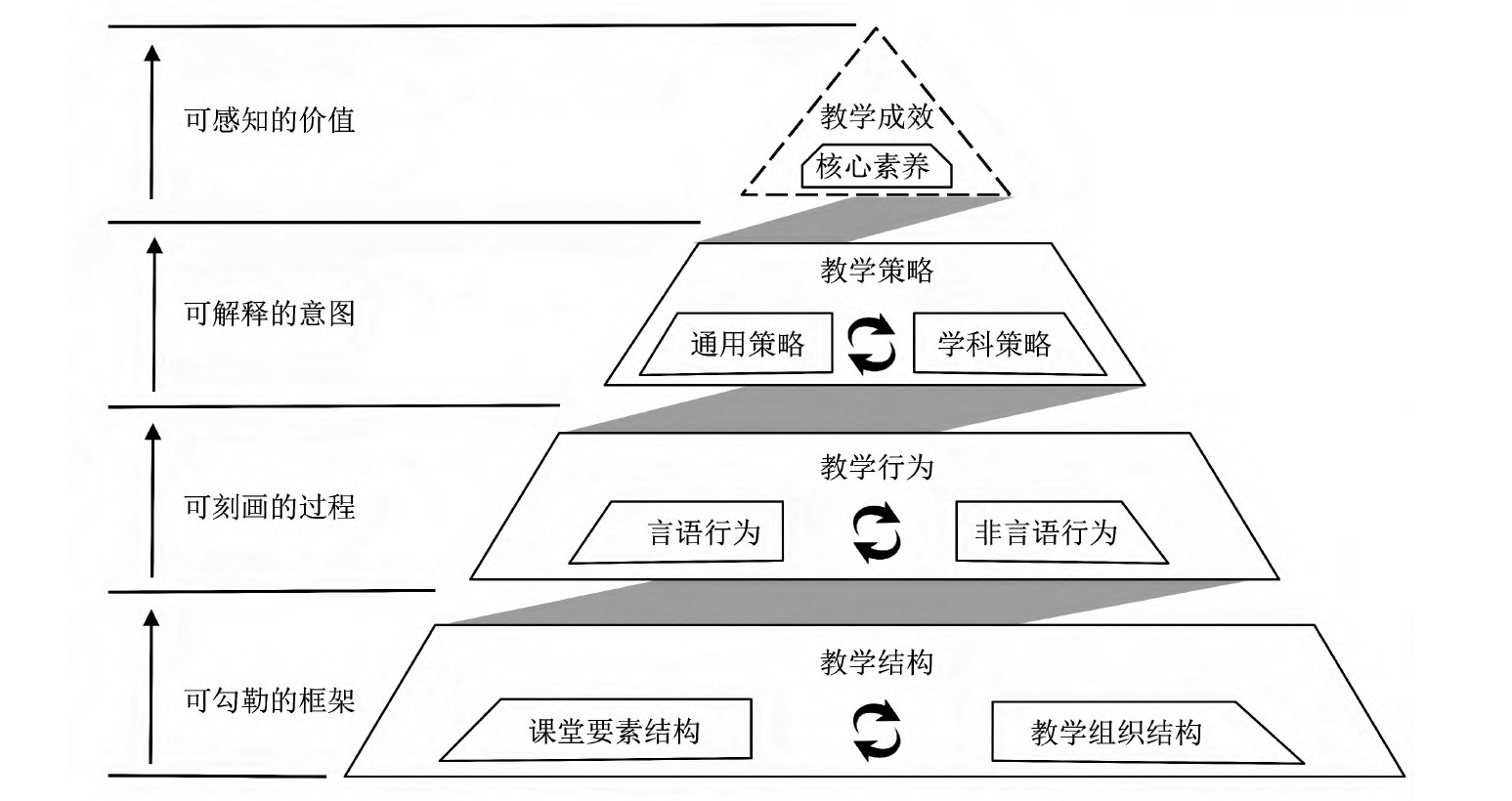
Figure 2: WISE Classroom research framework
This research represents another milestone achievement of our institute in Wenke research, systematically responding to the fundamental proposition of "what to ask" for the first time. It both inherits and develops our institute's previous research on "problem-based teaching," and represents an innovative attempt to promote the paradigm transformation of classroom research toward Wenke. Our institute will subsequently rely on the "Wenke" intelligent teaching research community with deep participation from frontline teachers (the first batch has already absorbed 20 units and teams, with the launch meeting and first training session to be held soon) to conduct large-scale empirical research in multidisciplinary and multi-grade classroom teaching contexts, and explore the potential of the "Wenke large model" developed based on this framework in large-scale application scenarios such as regional teaching research and teacher training.
Editor: Kexue Xu
Managing Editors: Tianwei Peng, Yuyin Lin
Reviewer: Zirou Lin